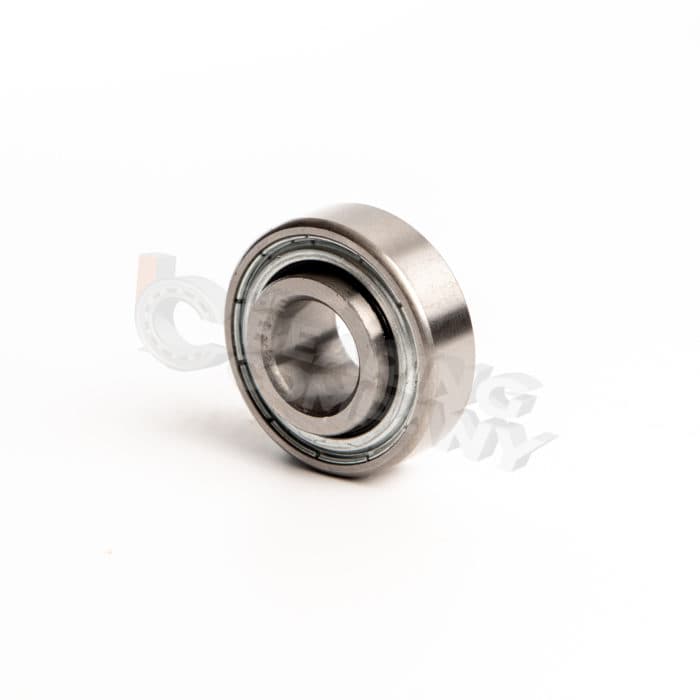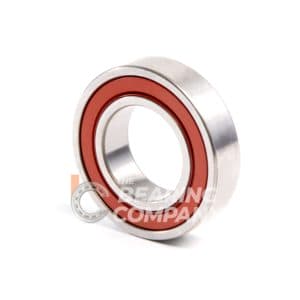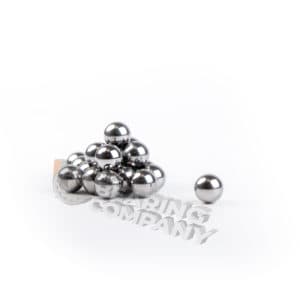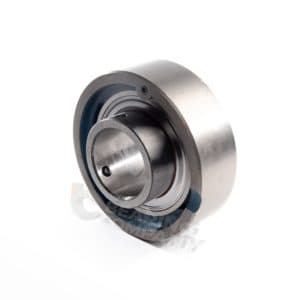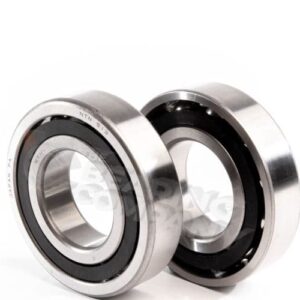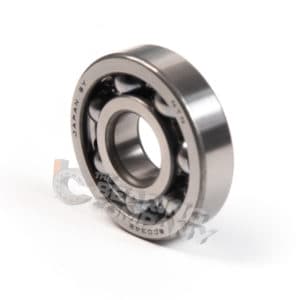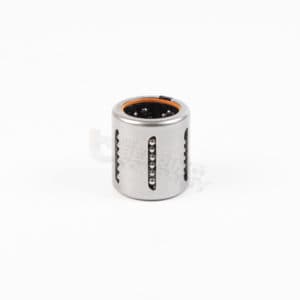
Ball Bearing Extended Inner

Ball Bearings vs Roller Bearings: What’s the Difference?

When it comes to ball bearings vs roller bearings, there are many similarities and differences. But their overall purpose is to reduce friction and support loads in rotating machinery.

Ball bearings use spherical balls for higher speeds, while roller bearings use shaped rollers to handle heavier loads. The “best” choice all depends on load, speed, space and operating conditions.

WHAT ARE BALL BEARINGS?

Ball bearings are rolling-element components that use spherical balls positioned between inner and outer rings. A cage maintains even spacing between the balls, allowing the rings to rotate smoothly. Their small contact area reduces rolling friction, making them suitable for high-speed applications.

Depending on their design, ball bearings can accommodate radial loads, axial loads or both. Their compact size and versatility make them widely used in electric motors, bicycles, pumps, lawnmowers and household appliances.

TYPES OF BALL BEARINGS

There are several different ball bearing designs, each of which is suited to different environments, loads and operation conditions. They include:

  • Deep groove ball bearings are widely used and can support radial and axial loads, with their low-friction design suiting higher-speed applications
  • Angular contact ball bearings have raceways arranged at an angle allowing them to support a combination of radial and axial loads
  • Loose ball bearings are individual spherical rolling elements that are used in certain assemblies, races and varying mechanical applications
  • Self-aligning ball bearings can compensate for a degree of misalignment between the shaft and housing, making them useful where accurate alignment is difficult to maintain
  • Thrust ball bearings are intended primarily for axial loads rather than radial loads
  • Miniature bearings provide the benefits of ball bearing construction in smaller assemblies where space is limited

Open Ball Bearing

WHAT ARE ROLLER BEARINGS?

Roller bearings replace the traditionally spherical balls with rollers. Depending on the bearing design itself these can be cylindrical, barrel-shaped, tapered or long and narrow.

Roller bearings provide a larger contact area between the rolling elements and raceways, distributing loads more effectively than ball bearings. This makes them ideal for heavy-duty applications.

Their load capacity depends on the bearing design, with different types supporting radial loads, axial loads or both.

Common uses include industrial machinery, gearboxes, conveyors and agricultural equipment that require reliable performance under demanding operating conditions.

TYPES OF ROLLER BEARINGS

When looking at roller bearings as an option, you can decide between:

  • Cylindrical roller bearings that use straight cylindrical rollers that offer high radial and load capacity across different axial locations and conditions
  • Tapered roller bearings use tapered rollers and raceways that make them ideal for carrying a combination of radial and axial loads
  • Spherical roller bearings use barrel-shaped rollers that can accommodate heavy loads and misalignment between shaft and housing
  • Needle roller bearings use long, thin rollers that are best used in areas where space is at a premium but substantial radial load capacity is needed

KEY DIFFERENCES BETWEEN BALL BEARINGS AND ROLLER BEARINGS

Although they perform similar tasks, ball bearings vs roller bearings have numerous differences outlined in the table below. This information should however be taken as general guidance with true performance depending on a variety of other factors.

FeatureBall BearingsRoller Bearings
Rolling elementSpherical BallsCylindrical, tapered, spherical or needle shaped rollers
Raceway contactSmaller point type contactLarger line type contact
Load capacityLower due to sizeHigher due to size
Operating speedSuited for higher speedsOften suited for heavier loads at lower speeds but some can be used at high speeds
FrictionLow due to smaller contact areaVaries by design but are generally higher
Typical usesMotors, appliances, bicycles, pumps and machineryGearboxes, industrial equipment, agriculture and conveyors

LOAD CAPACITY

Ball bearings contact raceways over a small area, while rollers distribute forces across a wider surface, generally supporting heavier loads. Capacity depends on bearing design and load direction. Check manufacturer ratings to ensure the bearing suits the application.

SPEED AND FRICTION

Ball bearings typically generate less rolling friction, making them suitable for high-speed applications. Roller bearings generally support heavier loads but may create more friction. However, speed limits vary with design, lubrication, load, temperature and bearing size.

DURABILITY AND MAINTENANCE

Bearing durability depends on correct selection, lubrication and operating conditions, not simply bearing type. Excessive loads, contamination, misalignment and heat can shorten service life.
You should always follow manufacturer recommendations for inspection, maintenance and replacement to ensure reliable performance.

APPLICATIONS OF BALL BEARINGS AND ROLLER BEARINGS

Both bearing families are used across automotive equipment, manufacturing, agriculture and general machinery. Although their applications can overlap, the final choice is determined by individual requirements.

An electric motor, for example, often benefits from the low friction and speed capability of a ball bearing. Deep groove ball bearings are commonly used for this type of application.

Heavy industrial machinery may place much greater radial loads on a bearing. Cylindrical or spherical roller bearings are typically better suited where higher load capacity is required.

Gearboxes can use either ball or roller bearings depending on the forces involved. A tapered roller bearing may be selected where combined radial and axial loading is present, while other gearbox designs can use ball bearings or cylindrical rollers.

Agricultural machinery also uses both types, with the correct bearing depending on factors like load, speed, contamination, shock and available space.

BALL BEARINGS VS ROLLER BEARINGS: WHICH SHOULD YOU CHOOSE?

Ball bearings are often the most ideal option for applications in need of high speed and low friction operations under moderate loads. Roller bearings on the other hand are better suited to heavy loads at lower speeds. The exact choice will all depend on different operating requirements, including:

  • Load size and direction
  • Required speed
  • Available space and shaft dimensions
  • Alignment
  • Lubrication needs
  • Temperature, contamination and maintenance options

When looking at replacements for your equipment, you should check the designation, dimension and manufacturer recommendation for the right bearing.

Here at The Bearing Company, we have over half a century of experience in supplying bearings and other engineering essentials adhering to ISO 9001 certification. With competitive pricing, expert service, next day delivery options and free UK shipping on orders over £50, we have cemented ourselves as the industry leader in bearing needs.

Shop our wide range of bearings today or contact the team for further guidance on making your decision.

SC03A53C3-NTN BALL BEARING 17X40X10

ISO Tolerances

An ISO tolerance chart provides a standard method for controlling dimensional variation of manufactured components. They are particularly important where parts must fit together accurately and for determining whether a fit is loose, sliding, tight or transitional.

The ISO 286 system uses letters and numbers as specific codes that define the position and sizes of tolerance zones. Although seeing codes like “H7, g6 or p6” may seem complicated at first, once their meanings are understood they actually become perfectly straightforward.

The experts here at The Bearing Company understand the need for clarity, and have compiled this guide on how to read and apply ISO tolerance charts.

UNDERSTANDING ISO TOLERANCES AND FITS

Manufactured components cannot be produced to perfectly exact dimensions, so engineers must specify if a nominal size falls within an acceptable range of tolerance. As an example, a 30 mm shaft will have an ISO tolerance of permitted variations.

ISO tolerance classes work by combining both a letter and a number, with lower-case letters applying to shafts while upper-case letters apply to holes. The letters themselves define tolerance zone positioning with the number indicating width.

This standardised system was put into place to help manufacturers specify components on a consistent level to achieve perfect fits between various mating parts of different brands. They apply to bearings, shafts and housings which require tolerances to be correct for continued reliable performance.

HOW TO FIND THE RIGHT FIT

Reading an ISO tolerance chart becomes far easier when you work through it bit by bit by using the nominal size, tolerance class, upper and lower deviations.

1. FIND YOUR NORMAL SIZE

Start off by identifying the nominal (basic) dimension that is either specified in the component documentation or engineering drawing. This is the starting point for working out applicable ISO tolerances.

As an example – a shaft with a specified diameter of 35 mm has a nominal size of 35 mm. The actual manufactured diameter may differ slightly from this figure as long as it remains in the limits of its assigned tolerance.

ISO tolerance tables divide dimensions into defined size ranges. A 35 mm shaft therefore falls within the relevant range covering that dimension, which is then used to establish the permitted tolerance.

2. CHOOSE YOUR TOLERANCE CLASS

The next step is to identify the tolerance class either for the shaft or hole.

Codes such as g6, h6, k6 and p6 refer to shaft tolerances because they use lower-case letters. Codes such as H7, H8 and H11 apply to holes.

The letter shows where the permitted tolerance zone sits in relation to the nominal dimension.

The number shows the tolerance grade and therefore the width of the acceptable dimensional range.

A lower grade number generally represents a narrower tolerance band than a higher number for the same nominal size.

3. READ THE TOLERANCE VALUES

Once the nominal size has been matched up with the correct tolerance class, the chart will then give you two deviations from the nominal dimension itself.

These deviations will be expressed in micrometres written as µm. For further clarification 1 µm is equal to 0.001 mm.

Positive numbers will place a limit above the nominal dimensions while negative numbers place it below, with certain designs sitting across the nominal size.

As an example, a 30 mm h6 shaft has an upper deviation of 0 µm and a lower deviation of -13 µm. This results in a permitted diameter between 29.987 mm and 30.000 mm.

4. DETERMINE THE FIT

A “fit” is determined by combining the tolerances of two mating components. The three common options are:

Clearance fit: Even at limits of tolerance, the shaft is smaller than the hole leaving a gap between components

Interference fit: When the shaft is larger than the hole, meaning force, temperature control or another fitting method is needed

Transition fit: Tolerance ranges overlap so finished components either result in slight clearance or interference

As an example – a combination of H7 and k6 is treated as a transition fit as the two zones overlap throughout every dimension.

5. CHECK THE CLEARANCE DESCRIPTION

If you are aware of the type of fit required, then use the ISO clearance description table to narrow down the range of suitable hole and shaft combinations. Then check this against the tolerance values for your nominal size.

These descriptions should only be used as guidance, actual clearance varies by size, the application of the bearing itself and various other levels of operational requirements. For further clarification, contact one of our experts today.

ISO TOLERANCE CHART

ISO SHAFT TOLERANCES

ISO Tolerances for Shafts
Nominal Shaft Sizes (mm)
over3610183040506580100120140160180200225250280315355
including610183040506580100120140160180200225250280315355400
Micrometres
a12-270
-390
-280
-430
-290
-470
-300
-510
-310
-560
-320
-570
-340
-640
-360
-660
-380
-730
-410
-760
-460
-860
-520
-920
-580
-980
-660
-1120
-740
-1200
-820
-1280
-920
-1440
-1050
-1570
-1200
-1770
-1350
-1920
d6-30
-38
-40
-49
-50
-61
-65
-78
-80
-96
-100
-119
-120
-142
-145
-170
-170
-199
-190
-222
-210
-246
e6-20
-28
-25
-34
-32
-43
-40
-53
-50
-66
-60
-79
-72
-94
-85
-110
-100
-129
-110
-142
-125
-161
e13-20
-200
-25
-245
-32
-302
-40
-370
-50
-440
-60
-520
-72
-612
-85
-715
-100
-820
-110
-920
-125
-1015
f5-10
-15
-13
-19
-16
-24
-20
-29
-25
-36
-30
-43
-36
-51
-43
-61
-50
-70
-56
-79
-62
-87
f6-10
-18
-13
-22
-16
-27
-20
-33
-25
-41
-30
-49
-36
-58
-43
-48
-50
-79
-56
-88
-62
-98
f7-10
-22
-13
-28
-16
-34
-20
-41
-25
-50
-30
-60
-36
-71
-43
-83
-50
-96
-56
-108
-62
-119
g5-4
-9
-5
-11
-6
-14
-7
-16
-9
-20
-10
-23
-12
-27
-14
-32
-15
-35
-17
-40
-18
-43
g6-4
-12
-5
-14
-6
-17
-7
-20
-9
-25
-10
-29
-12
-34
-14
-39
-15
-44
-17
-49
-18
-54
g7-4
-16
-5
-20
-6
-24
-7
-28
-9
-34
-10
-40
-12
-47
-14
-54
-15
-61
-17
-69
-18
-75
h4-0
-4
-0
-4
-0
-5
-0
-6
-0
-7
-0
-8
-0
-10
-0
-12
-0
-14
-0
-16
-0
-18
h5-0
-5
-0
-6
-0
-8
-0
-9
-0
-11
-0
-13
-0
-15
-0
-18
-0
-20
-0
-23
-0
-25
h6-0
-8
-0
-9
-0
-11
-0
-13
-0
-16
-0
-19
-0
-22
-0
-25
-0
-29
-0
-32
-0
-36
h7-0
-12
-0
-15
-0
-18
-0
-21
-0
-25
-0
-30
-0
-35
-0
-40
-0
-46
-0
-52
-0
-57
h8-0
-18
-0
-22
-0
-27
-0
-33
-0
-39
-0
-46
-0
-54
-0
-63
-0
-72
-0
-81
-0
-89
h9-0
-30
-0
-36
-0
-43
-0
-52
-0
-62
-0
-74
-0
-87
-0
-100
-0
-115
-0
-130
-0
-140
h10-0
-48
-0
-58
-0
-70
-0
-84
-0
-100
-0
-120
-0
-140
-0
-160
-0
-185
-0
-210
-0
-230
h11-0
-75
-0
-90
-0
-110
-0
-130
-0
-160
-0
-190
-0
-220
-0
-250
-0
-290
-0
-320
-0
-360
h12-0
-120
-0
-150
-0
-180
-0
-210
-0
-250
-0
-300
-0
-350
-0
-400
-0
-460
-0
-520
-0
-570
j512211-1-3-4-6-9-11
j645556543300
j745655654401
js500000000000
js600000000000
js700000000000
k578101315172124283133
k61011131720232831374044
k71417202529344146546065
m51318222529354148546367
m61621252934414855637278
m72027323743526170809299
n52126323945536172829199
n6242935435059687991100110
n72835425159708194108120131
p529364453637789104120135149
p632394757688396111129144160
r63847576984101105124130151155161183189197220228252264

ISO HOLE TOLERANCES

ISO Tolerances for Holes
Nominal Shaft Sizes (mm)
over3610183040506580100120140160180200225250280315355
including610183040506580100120140160180200225250280315355400
Micrometres
E6+28
+20
+34
+25
+43
+32
+53
+40
+66
+50
+79
+60
+94
+72
+110
+85
+129
+100
+142
+110
+161
+125
E7+32
+20
+40
+25
+50
+32
+61
+40
+75
+50
+90
+60
+107
+72
+125
+85
+146
+100
+162
+110
+185
+125
E11+95
+20
+115
+25
+142
+32
+170
+40
+210
+50
+250
+60
+292
+72
+335
+85
+390
+100
+430
+110
+485
+125
E12+140
+20
+175
+25
+212
+32
+250
+40
+300
+50
+360
+60
+422
+72
+485
+85
+560
+100
+630
+110
+695
+125
E13+200
+20
+245
+25
+302
+32
+370
+40
+440
+50
+520
+60
+612
+72
+715
+85
+820
+100
+920
+110
+1015
+125
F6+18
+10
+22
+13
+27
+16
+33
+20
+41
+25
+49
+30
+58
+36
+68
+43
+79
+50
+88
+56
+98
+62
F7+22
+10
+28
+13
+34
+16
+41
+20
+50
+25
+60
+30
+71
+36
+83
+43
+96
+50
+108
+56
+119
+62
F8+28
+10
+35
+13
+43
+16
+53
+20
+64
+25
+76
+30
+90
+36
+106
+43
+122
+50
+137
+56
+151
+62
G6+12
+4
+14
+5
+17
+6
+20
+7
+25
+9
+29
+10
+34
+12
+39
+14
+44
+15
+49
+17
+54
+18
G7+16
+4
+20
+5
+24
+6
+28
+7
+34
+9
+40
+10
+47
+12
+54
+14
+61
+15
+69
+17
+75
+18
G8+22
+4
+27
+5
+33
+6
+40
+7
+48
+9
+56
+10
+66
+12
+77
+14
+87
+15
+98
+17
+107
+18
H6+8
0
+9
0
+11
0
+13
0
+16
0
+19
0
+22
0
+25
0
+29
0
+32
0
+36
0
H7+12
0
+15
0
+18
0
+21
0
+25
0
+30
0
+35
0
+40
0
+46
0
+52
0
+57
0
H8+18
0
+22
0
+27
0
+33
0
+39
0
+46
0
+54
0
+63
0
+72
0
+81
0
+89
0
H9+30
0
+36
0
+43
0
+52
0
+62
0
+74
0
+87
0
+100
0
+115
0
+130
0
+140
0
H10+48
0
+58
0
+70
0
+84
0
+100
0
+120
0
+140
0
+160
0
+185
0
+210
0
+230
0
H11+75
0
+90
0
+110
0
+130
0
+160
0
+190
0
+220
0
+250
0
+290
0
+320
0
+360
0
J6+5
-3
+5
-4
+6
-5
+8
-5
+10
-6
+13
-6
+16
-6
+18
-7
+22
-7
+25
-7
+29
-7
J7+6
-6
+8
-7
+10
-8
+12
-9
+14
-11
+18
-12
+22
-13
+26
-14
+30
-16
+36
-16
+39
-18
J8+10
-8
+12
-10
+15
-12
+20
-13
+24
-15
+28
-18
+34
-20
+41
-22
+47
-25
+55
-26
+60
-29
JS6+4
-4
+4.5
-4.5
+5.5
-5.5
+6.5
-6.5
+8
-8
+9.5
-9.5
+11
-11
+12.5
-12.5
+14.5
-14.5
+16
-16
+18
-18
JS7+6
-6
+7.5
-7.5
+9
-9
+10.5
-10.5
+12.5
-12.5
+15
-15
+17.5
-17.5
+20
-20
+23
-23
+26
-26
+28.5
-28.5
JS8+9
-9
+11
-11
+13.5
-13.5
+16.5
-16.5
+19.5
-19.5
+23
-23
+27
-27
+31.5
-31.5
+36
-36
+40.5
-40.5
+44.5
-44.5
K6+2
-6
+2
-6
+2
-9
+2
-11
+3
-13
+4
-15
+4
-18
+4
-21
+5
-24
+5
-27
+7
-29
K7+3
-9
+5
-10
+6
-12
+6
-15
+7
-18
+9
-21
+10
-25
+12
-28
+13
-33
+16
-36
+17
-40
K8+5
-13
+6
-16
+8
-19
+10
-23
+12
-27
+14
-32
+16
-38
+20
-43
+22
-50
+25
-56
+28
-61
M6-1
-9
-3
-12
-4
-15
-4
-17
-4
-20
-5
-24
-6
-28
-8
-33
-8
-37
-9
-41
-10
-46
M70
-12
0
-15
0
-18
0
-21
0
-25
0
-30
0
-35
0
-40
0
-46
0
-52
0
-57
M8+2
-16
+1
-21
+2
-25
+4
-29
+5
-34
+5
-41
+6
-48
+8
-55
+9
-63
+9
-72
+11
-78
N6-5
-13
-7
-16
-9
-20
-11
-24
-12
-28
-14
-33
-16
-38
-20
-45
-22
-51
-25
-57
-26
-62
N7-4
-16
-4
-19
-5
-23
-7
-28
-8
-33
-9
-39
-10
-45
-12
-52
-14
-60
-14
-66
-16
-73
N8-2
-20
-3
-25
-3
-30
-3
-36
-3
-42
-4
-50
-4
-58
-4
-67
-5
-77
-5
-86
-5
-94
P6-9
-17
-12
-21
-15
-26
-18
-31
-21
-37
-26
-45
-30
-52
-36
-61
-41
-70
-47
-79
-51
-87
P7-8
-20
-9
-24
-11
-29
-14
-35
-17
-42
-21
-51
-24
-59
-28
-68
-33
-79
-36
-88
-41
-98
P8-12
-30
-15
-37
-18
-45
-22
-55
-26
-65
-32
-78
-37
-91
-43
-106
-50
-122
-56
-137
-62
-151
R6-12
-20
-16
-25
-20
-31
-24
-37
-29
-45
-35
-54
-37
-56
-44
-66
-47
-69
-56
-81
-58
-83
-61
-86
-68
-97
-71
-100
-75
-104
-85
-117
-89
-121
-97
-133
-103
-139
R7-11
-23
-13
-28
-16
-34
-20
-41
-25
-50
-30
-60
-32
-62
-38
-73
-41
-76
-48
-88
-50
-90
-53
-93
-60
-106
-63
-109
-67
-113
-74
-126
-78
-130
-87
-144
-93
-150

CLEARANCE DESCRIPTIONS

DescriptionHole ToleranceShaft Tolerance
Loose fitH11c11
Free runningH9d9
Easy runningH8f8
Sliding fitH7g6
Close clearanceH8f7
Location clearanceH7h6
Slight interferenceH7k6
TransitionH7n6
Press fitH7p6
Medium fitH7s6
Force fitH7u6

SHOP BEARINGS AT THE BEARING COMPANY

Once you have worked out the dimensions and fit required for your application from the ISO tolerance chart, finding the associated bearing size should be straightforward.

Here at The Bearing Company, we have more than 50 years of experience in the supplying of an extensive range of bearings for large engineering projects, domestic repairs and ongoing industrial goals. Whether you need linear ball bearings, bearing inserts and thrust bearings just to name a few.

If you know what you need, shop bearings online now with competitive prices and free shipping on orders over £50 with next day delivery where available. If you are still working out the right bearing, size or specification, get in touch with our team and we will help where we can.

Where are the Bearings on a Bike?

Where are the bearings on a bike? Well, you’ll find them where there are any parts that need to rotate or move smoothly, including the wheel hubs, bottom bracket, headset and pedals. Depending on the bike, bearings can also appear in suspension pivots, derailleur pulleys and other moving components.

That’s the quick answer, but it’s important to remember that different parts use different types of bearing, each suited to their particular loads, movements and the available space on the bike. Below, we’ll break down why bike bearings matter, the main types you may come across and how to keep them in good condition for as long as possible.

WHY ARE BEARINGS ESSENTIAL ON A BIKE?

Put simply, bearings reduce friction between moving parts while supporting the loads that are placed on them. On a bike, they help your wheels spin, cranks turn, handlebars steer and pedals rotate without any unnecessary resistance.

Without them, moving surfaces would rub directly against each other, increasing friction and wear. Using the right bearing for each job keeps movement smooth while helping protect the surrounding components.

Here at The Bearing Company, we stock a wide range of bike and cycling bearings for repairs, replacements and ongoing maintenance.

TYPES OF BEARINGS USED ON A BIKE

The type you need to fit depends on the component and bike design, with loose balls, bushings, cartridge bearings and needle bearings used for different parts of the cycle.

LOOSE BALL BEARINGS

Loose ball bearings are individual steel balls that run between smooth bearing surfaces, usually in a cup-and-cone arrangement. They have been used on bicycles for decades and are still common in wheel hubs, headsets and some bottom brackets and pedals.

Their size is measured by the diameter of the ball itself and is often stated as a fraction of an inch, such as 3/16 in. Replacement balls need to match the originals or the manufacturer’s specification, so always measure carefully and never rely on guesswork.

Explore our range of loose ball bearings for the different sizes we have available.

steel ball

BUSHING

A bushing, also called a bush or sleeve bearing, is simpler than a ball bearing. Rather than using rolling balls, it provides a low-friction surface between two components that move against one another.

On bikes, bushings can be found in suspension shock mounts, some derailleur pulley wheels, shifters and certain pedals. We also stock split bush bearings for a wide range of applications, but remember that any replacement fitted to your bike must match the manufacturer’s original specification.

CARTRIDGE BEARINGS

Cartridge bearings are self-contained units containing the balls, inner and outer rings, cage and, usually, seals too. They are commonly pressed into components such as hubs, headsets, bottom brackets and suspension pivots.

Their size is normally identified using the inside diameter, outside diameter and width. A marking such as 15 x 24 x 5 mm, for example, refers to those three dimensions. Many also carry a reference number that can help you identify the correct replacement.

NEEDLE BEARINGS

Needle bearings use long, thin cylindrical rollers rather than balls. Their shape allows them to carry relatively high loads while taking up little space. They are less common on bicycles than loose or cartridge bearings, but can be found in some pedals and specialist components.

If your bike uses them, always check the required specification before replacing them. You can also explore our wider range of needle roller bearings online.

TOP MAINTENANCE TIPS FOR YOUR BIKE BEARINGS

Bike bearings deal with water, dirt, road grime and repeated heavy loads, so looking after them is vital to the health of your bike. How often they need attention depends on the bearing type, riding conditions and manufacturer, but these tips are a good starting point:

  • Avoid directing a pressure washer at hubs, bottom brackets, headsets or other bearing areas. High-pressure water can work past seals and affect the lubricant inside.
  • Keep your bike clean and dry, particularly after wet or muddy rides, without flooding bearing areas with degreaser.
  • Watch for grinding, rough movement, stiffness or noticeable play. These can indicate that a bearing needs adjustment, servicing or replacement.
  • Use the correct grease or lubricant and follow the component manufacturer’s servicing instructions when maintaining bearings.
  • Match replacements carefully. For cartridge bearings, check the reference number or measure the inside diameter, outside diameter and width before ordering.

Needle Roller Thrust Axial Bearings

WHY CHOOSE THE BEARING COMPANY FOR YOUR BIKE BEARINGS

Hopefully, our expert guide has answered the question: where are the bearings on a bike? They may be small, but they play an important role in everything from rolling and pedalling to steering and suspension movement.

With more than 50 years of industry experience, The Bearing Company supplies bike bearings in a wide range of sizes and specifications at competitive prices. We’re ISO 9001:2015 certified, offer fast responses to enquiries and provide free tracked shipping on orders over £50, with next-day delivery available when you need parts quickly.

Shop our bike and cycling bearings online today. If you’re not sure which bearing fits your bike, just get in touch with our team, and we’ll help you find the right replacement for your cycle.

Ball Bearings

What is a Ball Bearing? Everything You Need to Know

Ball bearings are found in everything from household appliances and bicycles to cars, agricultural equipment and heavy industrial machinery. Their job is relatively simple: reduce friction between moving parts so equipment can rotate smoothly, efficiently and reliably.

But what is a ball bearing, how does it actually work and how do different types suit different applications? In this guide, the experts here at The Bearing Company will explain their basic construction, common types of ball bearings, typical uses for them and the different sizes and materials available, helping you understand what to look for when choosing the right bearing. Let’s crack on and, if you need help at any point, remember you can always get in touch with us for expert advice, whichever type of bearing you need.

WHAT IS A BALL BEARING?

Put simply, a ball bearing is a type of rolling-element bearing that uses small balls, often made of steel, to reduce friction between two moving surfaces. Rather than those surfaces rubbing or sliding directly against each other, the balls roll between them, allowing rotational movement with much less resistance.

This makes ball bearings useful wherever shafts, wheels, motors or other components need to rotate smoothly while supporting a load. Different designs can handle radial loads, axial loads or a combination of the two.

Here at The Bearing Company, we stock a wide range of ball bearings covering everything from everyday replacements to highly specialist industrial parts.

Open Ball Bearing

HOW BALL BEARINGS WORK

The two rings that the balls run between are called the inner and outer races, while the grooves on those rings are called raceways. Most ball bearings consist of an inner race, outer race, a series of balls and a cage or retainer that keeps the balls evenly spaced. The inner race normally fits around a rotating shaft, while the outer race sits within the surrounding housing.

As the shaft turns, the balls roll between the two races rather than allowing the surfaces to slide against one another. This greatly reduces friction, helping equipment move more freely while limiting heat and wear. Bearings are often lubricated too, further reducing friction and heat.

Depending on the design, bearings may also include seals or shields to help keep lubricant inside and contaminants such as dirt, dust or moisture out.

TYPES OF BALL BEARINGS AND HOW THEY WORK

Different applications (such as lawn mowers, bicycles and conveyor systems) place very different demands on their bearings, which is why there are several types available.

ANGULAR CONTACT BEARINGS

Angular contact bearings are designed so the balls contact the races at an angle. This allows them to support combined radial and axial loads, making them useful in equipment where forces act in more than one direction.

We stock both single row angular contact bearings and double row angular contact bearings for different load and space requirements.

Angular Contact Bearing

THRUST AND AXIAL BEARINGS

Thrust bearings, also known as axial bearings, are designed primarily to support loads acting along the direction of a shaft rather than across it. They are commonly used where rotating components experience significant axial force, such as in gearboxes.

Our range of thrust bearings includes numerous sizes and types for both industrial and everyday machinery.

DEEP GROOVE BEARINGS

Deep groove bearings are among the most widely used bearing types. Their deep raceway grooves allow them to handle radial loads while also supporting moderate axial loads in either direction.

Their simple, versatile design makes deep groove ball bearings suitable for applications including electric motors, washing machines, power tools, bicycles and conveyor systems.

SC0342 DEEP GROVE

SELF-ALIGNING BEARINGS

Self-aligning ball bearings are designed to accommodate minor misalignment between the shaft and housing. Essentially, the inner assembly can move slightly within the outer race without placing excessive stress on the bearing.

This makes them particularly useful when shafts can bend slightly or when parts are not perfectly aligned, which can happen at installation and over time.

LINEAR BEARINGS

Unlike bearings designed mainly for rotation, linear ball bearings help components travel smoothly along a straight shaft or rail. The internal balls reduce friction during this back-and-forth movement.

They are commonly found in automation, manufacturing equipment, CNC machinery and other systems requiring highly accurate linear motion.

KH1630 Linear Ball Bearing

KEY APPLICATIONS OF BALL BEARINGS

Because they help to significantly reduce friction while supporting moving loads, ball bearings are used across an enormous range of sectors and machinery. Just some of the most common applications include:

  • Automotive: Used in wheels, electric motors and transmission systems to support smooth rotation.
  • Manufacturing: Found in production machinery, conveyors and automated equipment where reliable movement is essential.
  • Agriculture: Used in tractors, implements and processing machinery exposed to regular heavy-duty use.
  • Electric Motors: Support rotating shafts at speed while helping reduce friction and wear.
  • Household Equipment: Common in appliances, power tools and garden machinery with moving internal parts.
  • Cycling: Used in wheels, pedals and steering components to keep movement smooth and controlled.
  • Industrial Machinery: Found in pumps, fans, compressors and gear systems across a wide range of sectors.

The correct bearing for your specific application depends on many variables, including speed, load direction, working environment and available space.

BALL BEARING SIZES, SHAPES AND MATERIALS

Ball bearings are produced in a huge range of dimensions to suit different shafts, housings and load requirements. Measurements normally include the internal bore diameter, outside diameter and bearing width, so matching the correct specification is important. If you need any assistance with this, we’re here to help.

Standard deep groove bearing series include 6000 bearings, 6200 bearings and 6300 bearings, providing different combinations of internal diameter, external size and load capacity. Material also matters. Steel is widely used because of its strength and durability, while stainless steel ball bearings offer additional corrosion resistance for demanding or moisture-prone environments. We also stock specialist designs such as magneto bearings, which are commonly used in small magnetos, gyroscopes, instruments and vintage engines.

Replacing an existing bearing? The bearing number stamped onto the component is usually the best starting point for identifying the right replacement.

BALL BEARINGS AT THE BEARING COMPANY

We hope this article helped break down exactly what a ball bearing is and demystified how different types work. With so many different types, sizes and applications available, choosing the right bearing can feel complicated, but understanding the basics makes that process much easier.

With more than 50 years of industry experience, The Bearing Company confidently supplies bearings of many different types for everyone from individual DIY customers to large engineering, manufacturing and industrial businesses. We stock a vast selection at competitive prices and specialise in helping customers track down harder-to-find and obsolete parts. We’re also ISO 9001 certified, offer a fast response to enquiries and provide free shipping on orders over £50, with next-day delivery available when you need parts quickly.

Browse our full range of ball bearings and shop online today. If you’re unsure which bearing you need, just get in touch with our team and we’ll help you find the right part for your application.

OEM VS AFTERMARKET BELTS

If you need to replace a belt, you may be considering whether to choose an Original Equipment Manufacturer (OEM) or aftermarket belt to meet your specific needs. In this guide, we compare OEM vs aftermarket belts and help you choose the right option for your application.

WHAT IS AN OEM BELT?

OEM stands for Original Equipment Manufacturer. A genuine OEM belt is supplied as an original part by or for the equipment manufacturer and is designed to meet the specifications required for that machinery. This makes OEM belts a straightforward choice when replacing an existing belt, whether it’s used in garden machinery, agricultural equipment or other powered machinery.

Choosing a belt designed specifically for your equipment takes the guesswork out of finding the right replacement. Rather than relying on dimensions alone, you can search using the manufacturer or original part number to identify a compatible belt.

At The Bearing Company, we stock a wide range of OEM belts, including John Deere, Gates, Honda, Belle and Black & Decker.

5949780-01 Husqvarna Cutter Belt

BENEFITS OF OEM BELTS

OEM belts offer several advantages when you need a dependable replacement for your machinery:

  • Reliable compatibility: Designed to meet the requirements of specific equipment, helping ensure the correct fit and operation.
  • Consistent performance: Manufactured to defined specifications for reliable power transmission during use.
  • Straightforward replacement: Matching manufacturer details and part numbers make it easier to identify the belt required for your equipment.
  • Quality assurance: OEM belts are produced to the equipment manufacturer’s specified standards and requirements.

WHAT IS AN AFTERMARKET BELT?

An aftermarket belt is a replacement belt manufactured by a third-party company. These belts are produced for existing machinery and equipment, offering an affordable and readily available alternative when the original belt needs replacing.

Aftermarket belts are available across a wide range of sizes, profiles and specifications, with options suitable for everything from garden and agricultural machinery to industrial equipment. Depending on the manufacturer, they may be designed to match the specifications of the original component or provide a slightly different alternative suited to the same application.

BENEFITS OF AFTERMARKET BELTS

Aftermarket belts can provide a practical alternative to OEM belts, with several benefits when sourcing a replacement:

  • Wider choice: Available from a broad range of manufacturers, giving you more options when choosing a replacement belt.
  • Competitive pricing: Aftermarket belts can offer a more cost-effective option compared to genuine OEM parts.
  • Greater availability: A wider selection can make replacements easier to source, particularly when an original part is difficult to find or no longer made.
  • Choice of specifications: Different manufacturers offer belts across a variety of sizes, materials and constructions to suit different requirements.

A-72169 Ariens Pix Belt

OEM BELTS VS AFTERMARKET BELTS: KEY DIFFERENCES

While both OEM and aftermarket belts can provide suitable replacements, there are a few key differences to consider:

MANUFACTURER

OEM belts are supplied as original parts by or for the equipment manufacturer, while aftermarket belts are produced by third-party manufacturers for use as replacements.

PRICE

OEM belts can come at a higher price because they are supplied specifically for particular equipment. Aftermarket belts are often competitively priced, giving you more choice when working within a budget.

AVAILABILITY

Aftermarket belts are produced by a wider range of manufacturers, which can provide more options when an original belt is unavailable or difficult to source. This can be particularly useful for older machinery or obsolete parts.

COMPATIBILITY

OEM belts are designed around the requirements of specific equipment, making compatibility easier to establish by looking up the make, model or part number. With aftermarket belts, it is important to check the dimensions and specifications carefully.

CHOICE

Aftermarket belts can offer greater choice across different manufacturers, materials and specifications. OEM belts provide a more straightforward route when you want a replacement that corresponds directly with the original component.

Deck Belt

HOW TO CHOOSE THE RIGHT BELT FOR YOUR APPLICATION

Understanding the requirements of your machinery is the first step to choosing the right belt. The size, profile and specification are important, but you should also consider how and where the equipment operates. Different conditions such as temperature, moisture, dust, exposure to oils and the load placed on the belt can all affect which option is best-suited to your needs.

It is also worth considering availability, expected service life and cost when comparing OEM and aftermarket belts. An aftermarket belt may be a practical alternative if the original is difficult to source or obsolete, but compatibility should be the top priority to ensure continued, reliable operation.

If you are unsure, our experts at The Bearing Company can help identify a suitable replacement based on your existing belt, machinery and application requirements.

OEM BELTS AT THE BEARING COMPANY

Whether you need a direct OEM replacement or help finding the right belt for your machinery, The Bearing Company offers a wide range of timing belts, mower belts, ribbed belts and other essentials. With over 50 years of industry experience, our team can provide practical advice and help source hard-to-find or obsolete parts when required.

Alongside knowledgeable support, The Bearing Company offers competitive pricing and fast delivery options, making it easy to find the right replacement for your application. Shop our range of belts online today or contact the team if you need help identifying the right product.

ZZ Ball Bearing

Thrust Bearing vs Ball Bearing

Thrust bearings vs ball bearings is not a straightforward discussion. Both are essential components used to support moving machinery, but they are designed to handle different types of loads. Understanding these differences can help you choose the right bearing for a specific application.

Our expert engineers have compiled this article to compare thrust bearings and ball bearings, exploring their designs, load capacities, applications, advantages and limitations. We’ll also provide a more detailed breakdown of how each bearing performs under different operating conditions.

WHAT IS A THRUST BEARING?

A thrust bearing is a form of rotary bearing that has been designed with the intention of providing support to axial (thrust) loads. They act as a centralised cage with internal ball bearings and two washers or ‘raceways’ either side.

They manage systems where forces are running parallel to the shaft rather than perpendicular with it. By redirecting created force along the rotational axis of a shaft they can reduce friction and better distribute weight and pressure caused by pushing.

BENEFITS OF THRUST BEARINGS

There are many benefits to thrust bearings, crucially they are designed to prevent shaft drifting lengthways during smooth rotational movement. They are ideal for light-to-moderate loads that are performing at high speeds but require minimal created friction and total shaft stability.

WHAT IS A BALL BEARING?

When looking at the key differences with thrust bearings vs ball bearings, the latter are arguably the most commonly found component in engineering, machinery and any other piece of equipment. They are composed of an inner ring, outer ring, smaller ball bearings and a cage. The ball bearings find themselves placed between the two rings, also known as races, to prevent two flat surfaces rubbing against each other, creating needless wear and tear from friction.

ZZ Ball Bearing

BENEFITS OF BALL BEARINGS

There are several benefits offered by ball bearings which include, reducing friction levels, ensuring smooth operations and efficient movement between components. They tend to have a relatively compact design which makes them suitable and essential for a wide range of applications. Arguably their biggest benefit is that, depending on the design, they can support both radial and axial loads while also helping reduce wear and overall operational energy consumption.

THRUST BEARINGS VS BALL BEARINGS

BEARING DESIGN

Thrust bearings are designed to primarily support axial loads which makes them the more suitable option for applications where force acts along the shaft. Ball bearings on the other hand typically handle radial loads for rotating machinery.

INTERNAL COMPONENTS

Both of these bearing types use balls, raceways and cages but their internal arrangements do differ. Ball bearings position components to support radial movement, while thrust bearings use races arranged to accommodate axial forces. This design difference determines how each bearing performs within machinery.

Open Ball Bearing

LOAD DIRECTION & CONTACT ANGLE

Ball bearings primarily support radial loads, although angular-contact designs can accommodate axial forces. Thrust bearings are specifically designed for axial loads. Their contact geometry directs force along the shaft, making them better suited to applications experiencing significant thrust forces.

MATERIALS AND MAINTENANCE

Both bearing types are commonly manufactured from materials like steel, stainless steel or a different, more specialised material for demanding applications. Regular lubrication, cleaning and inspection will greatly help extend service life.

HOW TO CHOOSE THE RIGHT BEARING FOR YOUR APPLICATION

Choosing the right kind of bearing depends on numerous factors outside of simply thrust bearing vs ball bearing. You first need to take into account your load type, total capacity, temperature, lubrication needs, available space, operating speed and surrounding working environment.

Then you need to consider whether your proposed/required application is radial, axial or a combination in nature. If you are uncertain about which bearing is the most suitable for you, The Bearing Company experts are here to help. By contacting our team we can offer advice to help you find the right solution.

WHY CHOOSE THE BEARING COMPANY?

The Bearing Company offers a wide range of quality bearings for various applications and requirements. Alongside ball and thrust bearings, our selection includes needle roller bearings, linear bearings, taper roller bearings, bearing inserts and housed bearings. With a comprehensive range and industry leading advice available, finding the right solution with The Bearing Company is simple.

Explore our bearing collection today and choose The Bearing Company for quality products and dependable service.

754-0232 MTD Lawnflite Belt Kevlar (A-7540232)

HOW TO MEASURE A V BELT: ALL YOU NEED TO KNOW

Knowing how to correctly measure a v-belt is essential when replacing a worn out or otherwise damaged belt. Choosing the wrong size can lead to poor performance levels and increased wear of less accessible components, both of which will cause unnecessary downtime. Understanding how to measure them correctly for replacements is crucial for maintaining optimal transmission power.

Our experts have compiled this guide to cover everything you need to know about V-belt measurements and what to look out for.

WHAT IS A V BELT?

A V-belt is a flexible power transmission belt that is commonly used to transfer energy between rotating shafts. It gets its name from the distinctive “V” shaped cross-section which sits securely between matching pulleys, thus creating friction that allows the transmission of power more efficiently.

They have found wide usage in industrial machinery, agricultural equipment, manufacturing applications and the automotive world. Each one has been designed to reduce slippage and provide reliable performance in different sizes and profiles depending on load requirements, operating speeds and environmental conditions.


Deck Belt

HOW DO YOU MEASURE A V BELT?

Knowing how to measure a V-belt accurately involves finding both the length and cross-sectional dimensions.

Measure the Belt Width

The first step is to measure the width of the belt across its widest point. This dimension helps determine the belt profile and section type.

Measure the Belt Depth

The depth, or thickness, of the belt should also be measured from the top surface to the bottom of the V profile. Combined with the width measurement, this allows the correct belt cross-section to be identified.

Determine the Belt Length

The length of a V-belt can be measured in several ways depending on whether the existing belt is available or easily accessible:

  • Measure around the outside circumference of the belt using a flexible tape measure.
  • Use a length of string around the belt and then measure the string.
  • If the original belt is unavailable, measure the pulley diameters and centre distance between shafts to calculate the required belt length.

Identify the Belt Profile

V-belts are manufactured in a range of standard profiles, each with specific width and depth dimensions.
Correctly identifying the profile ensures the belt fits properly within the pulley groove and delivers optimal performance.

B121 V Belt 17x3073Li B Section PIX

STANDARD V BELT MEASUREMENTS

Standard V-belts are widely used across industrial and commercial applications. They are typically available in a selection of recognised profiles which include A, B, C, D and E sections. These are manufactured to standard dimensions, making selection, replacement and maintenance simple, efficient and more often than not, universal.

SectionTop Width (mm)Height (mm)
Z106
A138
B1711
C2214
D3219
E4025

WEDGE V BELT MEASUREMENTS

A wedge V-belt has been designed to transmit higher levels of power than a standard V-belt, but retain the similar compact design. Commonly used in industrial machinery and heavy duty applications, they offer excellent levels of efficiency, reliability and operational performance.

SectionTop Width (mm)Height (mm)
SPZ9.78
SPA12.710
SPB1713
SPC2218

HEXAGONAL/DOUBLE V BELT MEASUREMENTS

Hexagonal belts are also known as double V-belts, and feature the V shaped profile on both sides of the belt. This is crucial for allowing them to drive pulleys from either side, which is necessary for serpentine and multi-pulley systems.

SectionTop Width (mm)Height (mm)
AA1310
BB1714
CC2217

NARROW V BELT MEASUREMENTS

A narrow V-belt is just that. A standard V-belt that can deliver similar, sometimes greater power transmission in a narrower package. This makes them suitable for compact drive systems.

SectionTop Width (mm)Height (mm)
3V9.78
5V15.814
8V25.423

V-BELTS AT THE BEARING COMPANY

Here at The Bearing Company, we supply a comprehensive range of high-quality V-belt solutions for any application. With over 50 years of experience in the business, our product knowledge is unmatched, we understand the importance of keeping pricing competitive and have proven fast delivery across our range.

Whether you are looking for a V-belt or are in need of OEM belts, timing belts, lawn mower belts and more, we have everything you need in the world of power transmission under one roof.

Browse our full range of V belts today and discover reliable, high-performance solutions backed by exceptional customer service and technical support.

SC03A53C3-NTN BALL BEARING 17X40X10

Bearing Sizes

Finding the right bearing for your application can feel overwhelming, with a wide range of options to choose from. Picking the right bearing sizes for your project doesn’t need to be a challenge — our simple guide makes it straightforward. From ball bearings to thrust bearings, we cover the full range to make it easy for you to select the right option with confidence.

WHAT IS A BEARING?

Bearings are an essential component utilised in a wide range of different applications, from automotive and industrial machinery to household appliances and medical equipment . These essential components help to constrain movement while reducing friction, allowing for smooth rotation and reduced wear and tear over time.

Our range at The Bearing Company includes many unique styles of bearing and accompanying parts to suit different applications, from classic ball bearings and linear ball bearings to housed bearing units and additional bearing inserts. We cover the sizes for all of our bearings below.

SC03A53C3-NTN BALL BEARING 17X40X10

6000 METRIC

Bearing SizeInside Diameter (mm)Outside Diameter (mm)Width (mm)
600010268
600112288
600215329
6003173510
6004204212
6005254712
6006305513
6007356214
6008406815
6009457516
6010508016
6011559018
6012609518
60136510018
60147011020
60157511520
60168012522
60178513022
60189014024
60199514524
602010015024
602110516026
602211017028
602412018028
602613020033
602814021033
603015022535

6200 METRIC

Bearing SizeInside Diameter (mm)Outside Diameter (mm)Width (mm)
620010309
6201123210
6202153511
6203174012
6204204714
6205255215
6206306216
6207357217
6208408015
6209458519
6210509020
62115510021
62126011022
62136512023
62147012524
62157513025
62168014026
62178515028
62189016030
62199517032
622010018034
622110519036
622211020038
622412021540
622613023040
622814025042
623015027045

6300 METRIC

Bearing SizeInside Diameter (mm)Outside Diameter (mm)Width (mm)
6300103511
6301123712
6302154213
6303174714
6304205215
6305256217
6306307219
6307358021
6308409023
63094510025
63105011027
63115512029
63126013031
63136514033
63147015035
63157516037
63168017039
63178518041
63189019043
63199520045
632010021547
632110522549
632211024050
632412026055
632613028058
632814030062
633015032065

6800 METRIC

Bearing SizeInside Diameter (mm)Outside Diameter (mm)Width (mm)
6800 (61800)10195
6801 (61801)12215
6802 (61802)15245
6803 (61803)17265
6804 (61804)20327
6805 (61805)25377
6806 (61806)30427
6807 (61807)35477
6808 (61808)40527
6809 (61809)45587
6810 (61810)50657
6811 (61811)55729
6812 (61812)607810
6813 (61813)658510
6814 (61814)709010
6815 (61815)759510
6816 (61816)8010010
6817 (61817)8511013
6818 (61818)9011513
6819 (61819)9512013
6820 (61820)10012513
6821 (61821)10513013
6822 (61822)11014016
6824 (61824)12015016
6826 (61826)13016518
6828 (61828)14017518
6830 (61830)15019020

6900 METRIC

Bearing SizeInside Diameter (mm)Outside Diameter (mm)Width (mm)
6900 (61900)10226
6901 (61901)12246
6902 (61902)15287
6903 (61903)17307
6904 (61904)20379
6905 (61905)25429
6906 (61906)30479
6907 (61907)355510
6908 (61908)406212
6909 (61909)456812
6910 (61910)507212
6911 (61911)558013
6912 (61912)608513
6913 (61913)659013
6914 (61914)7010016
6915 (61915)7510516
6916 (61916)8011016
6917 (61917)8512018
6918 (61918)9012518
6919 (61919)9513018
6920 (61920)10014020
6921 (61921)10514520
6922 (61922)11015020
6924 (61924)12016522
6926 (61926)13018024
6928 (61928)14019024
6930 (61930)15021028

HOW TO MEASURE A BALL BEARING

Typically, a bearing will have an identification code stamped into the outside of the component. This identifier can allow you to look up the size of your bearing from the charts above. However, sometimes this stamp is not legible due to a long period of use, requiring manual measurement to choose the right replacement.

We cover the steps for measuring a bearing below:

PREPARE EQUIPMENT

You’ll need the following to measure your bearing:

  • A micrometer or calliper for accurate measurement
  • A way to record your results
  • A flat, clean and clear surface for completing your measurements

MEASURE THE INNER DIAMETER

To measure the bore size, or inner diameter, place the bearing on a flat, clear surface. Use the calliper or micrometer and insert the jaws or anvils into the open hole in the middle of the bearing, ensuring it is at a right angle. Read and record the measurement.

MEASURE THE OUTER DIAMETER

To measure the outer diameter of your bearing, position your micrometer or calliper flat on a clear surface and place the jaws or anvils on the outer edges of the bearing. Ensure it is at a right angle to the bearing and record the measurement results.

MEASURE THE WIDTH

To measure the width or thickness of the bearing, place the bearing on its edge and then use the anvils or jaws to ‘clamp’ either side of the edge. Record the results of this measurement.

SC03A53C3-NTN BALL BEARING 17X40X10

WHY CHOOSE THE BEARING COMPANY

With over 50 years of experience as bearing specialists, The Bearing Company is your ideal option for high-quality bearings, available for next-day delivery. We provide clear sizing information for all of our bearings online, making it easy for you to choose the right option for your needs.

Our comprehensive range includes housed bearings, bearing inserts, cylindrical roller bearings, taper roller bearings, bike bearings and more. Shop the full range online today, with free shipping available for all orders over £50.

Types of Mower Belts

If your mower is failing to operate as it should, the culprit may be your mower belt. Replacing this essential component can restore your mower to full working condition, preventing the need for costly replacement. In this guide, we explore the different types of mower belts and what to consider when purchasing.

TYPES OF MOWER BELT BY DESIGN

STANDARD V BELTS

Standard V belts are the most common type of mower belt. These belts are shaped like a trapezoid, where one side is longer than the other, creating the ‘V shape’ that this belt is named after. There are a wide range of different sizes and styles of mower belt, which are defined by their type code. For example, a V belt with an ‘A’ in the type code has a top width of 0.5”.

KEVLAR BELTS

Kevlar is highly durable, with excellent tensile and rim strength. This synthetic fibre does not stretch easily and has a strong resistance to fatigue and abrasion. For heavy-duty mower use, Kevlar belts are often the recommended option.

754-0232 MTD Lawnflite Belt Kevlar (A-7540232)

RUBBER BELTS

Rubber is the most popular material used for mower belts and a range of other belts, as it is flexible and resistant to wear. Rubber has natural traction, which allows it to grip on pulleys for the efficient transfer of power.

POLY CORD BELTS

Poly cord is constructed from polyester and is commonly used to reinforce the primary material in belts, such as rubber. These belts are suitable for applications with lower usage rates, such as home mowers with less consistent operation.

COGGED V BELTS

Cogged V belts are also known as toothed belts due to their unique shape. Mower belts with a cogged design feature slots that run across the length of the belt. These belts have slightly improved efficiency than V belts, last longer and run cooler but are more costly, which makes them a rarer option for most types of mowers. Cogged belts usually have an ‘X’ in their type code.

BX COGGED PIX BELT

SERPENTINE BELTS

Serpentine belts are also known as multi-ribbed belts because of the grooves found lengthwise on the inside of this belt design. These belts are low noise, high-efficiency and long-lasting and are often utilised in mowers with hydraulics, a mower deck or power take-off system. The number of ribs is typically featured in the type code, such as 4PK for four ribs.

TYPES OF LAWN MOWER BELT FUNCTIONS

DRIVE BELTS

Drive belts are used to transfer the engine power into the transmission and wheels. As such, this type of belt is only used on mowers with some form of propulsion, such as ride-on lawnmowers.

DECK BELTS

Deck belts are the most common type of mower belts. These spin the mower blades by connecting the blade system to the engine, enabling the primary functionality of the lawn mower.

PTO BELTS

PTO belts provide a way to transfer power to additional equipment included in specific types of mowers. PTO stands for ‘power take-off’, a mechanism that transfers engine power to driven equipment or attachments. Mechanical PTO systems use these belts.

QT029 ATCO/QUALCAST DRIVE BELT - 67 TEETH

WHAT TO CONSIDER WHEN CHOOSING YOUR LAWN MOWER BELT

SIZE AND COMPATIBILITY

Mower belts are not one size fits all, requiring an understanding of type codes and your specific mower requirements to select the right product. Knowing the required width, length and type of belt is vital to pick an operable and compatible belt for your mower. Information about the right belt is typically found in the manufacturer’s specifications for your mower.

APPLICATION

The type of belt you should buy depends on the specific application of your mower. For example, if you have a medium-sized garden that is mowed once every couple of weeks in warmer weather, a standard poly cord V belt is suitable for your requirements. For landscapers and large lawns, a more hard-wearing belt may be a better fit.

COST VS QUALITY

Rubber and poly cord belts are the cheapest options for belt replacement, with a lower up-front cost, but will wear out faster. By contrast, Kevlar belts will have a higher up-front cost but will last longer. It’s important to pick the option that fits your budget and requirements for day-to-day use.

OPERATING CONDITIONS

Mowers exposed to high temperatures or more abrasive conditions will result in belts degrading faster. Choosing belts that match your particular operating conditions can help to prevent breakdowns and extend the lifetime of your belts for continued smooth operation.

A-72108 Ariens Pix Belt

HOW TO FIND THE RIGHT SIZE MOWER BELT

Referring to the instruction manual or specifications for your mower is the best way to determine what size mower belt you need. If this information isn’t available, measure the length and width of your existing belt to determine the size of your current belt and find the matching replacement.

LAWN MOWER BELTS AT THE BEARING COMPANY

Whether you’re replacing a worn belt or sourcing a hard-to-find replacement, The Bearing Company stocks a wide range of OEM mower belts from brands including John Deere, Black & Decker and Honda. Explore our full range of mower belts online today, or contact our team directly if you need advice about the right mower belt for your requirements.

SC03A53C3-NTN BALL BEARING 17X40X10

How Do Bearings Work?

Bearings are everywhere. Inside anything that rotates, there is likely a bearing, used to reduce friction and provide smooth movement. But how do bearings work?

In this complete guide, we’re going to break down how bearings work, some of the key components, the different types and the importance of lubricants. Keep scrolling to learn more, or to speak directly to a bearings expert, just call us now on 01527 509620.

TAPERED BORE BEARING INSERTTAPERED BORE BEARING INSERT

WHAT IS A BEARING?

A bearing is designed to support and guide moving parts. They generally allow either rotational or linear movement, minimising friction and wear. Bearings are installed between the two moving components, facilitating easy motion.

There are a few different types of bearing, each designed to support a different kind of movement as well as varying degrees of load and use. Bearings are used in everything from skateboard wheels and children’s toys to vehicles and industrial machinery.

COMPONENTS OF A BEARING

In most bearings, there are four main parts:

  • Inner Ring – the inner ring is seated onto the rotating shaft or surface, and moves with it, transferring load into the bearing
  • Outer Ring – the outer ring is stationary, and supports the bearing within the equipment it’s mounted to, transferring load out of the bearing to the equipment
  • Rolling Elements – these can be balls, needles or rollers, and are designed to allow smooth movement with minimal friction
  • Cage (or separator) – the purpose of the cage, sometimes called a separator, is to keep the rolling elements evenly spaced and ensure the load is evenly distributed

UC BEARING INSERT

HOW DO BEARINGS WORK? THE BASICS

The purpose of a bearing is to allow for low-friction movement of two components, generally between a rotating shaft and a fixed housing. Bearings feature rolling elements, often balls or rollers, which create smooth, low-resistance movement.

They include an inner ring, which sits around the rotating shaft, and an outer ring, which presses against the housing, with the rolling elements sandwiched in between. This spreads the rotational load and makes movement easy, reducing friction and heat build-up.

BEARING LOADS

A bearing load is the rotational force that’s applied to the bearing, which it is designed to support. There are three main types of bearing load:

  • Radial loads – act perpendicular to the shaft, found in conveyor rollers, electric motors and hydraulic pumps
  • Axial loads – act parallel to the shaft, found in gearboxes, vertical pumps and turntables
  • Combined loads – a blend of both radial and axial loads, found in automotive wheel hubs, industrial gear drives and construction machinery

Each kind of load requires a different type of bearing to handle it.

  • Radial loads = radial bearings such as deep groove roller bearings and cylindrical bearings
  • Axial loads = thrust bearings
  • Combination loads = tapered roller bearings and angular contact bearings

TYPES OF BEARINGS

There are many types of bearings, each used for a slightly different application and load type:

You can find more information about the different types of bearings and what they’re used for in our blog post.

LM - Linear Ball Bearing

THE FUNCTION OF ROLLING ELEMENTS

Inside a bearing, there is a collection of rolling elements, which are usually either balls or rollers.

BALLS

Balls are used inside bearings to create smooth, low-friction movement. They create very small contact surfaces, allowing for seamless rotation of the bearing. This makes them ideal for lower-load applications where smoothness and speed are more important, such as in electric motors, pumps and fans.

ROLLERS

Rollers serve the same purpose as balls, but have a larger contact area, allowing them to spread loads over a greater surface. This makes rollers the preferred choice for high-load or heavy impact applications such as heavy plant machinery, manufacturing equipment and agriculture.

THE ROLE OF LUBRICANTS

Lubricants are used inside bearings to further reduce friction, heat and wear. Most bearings use largely or entirely metallic components, and without lubrication, these parts would get hot and worn very quickly. Lubricants extend the lifespan of bearings dramatically, playing a critical role in their construction and ongoing use.

Different types of lubricants are used in various bearings depending on the type and application, including grease, oil and solid lubricants.

SC03A53C3-NTN BALL BEARING 17X40X10

BEARINGS AT THE BEARING COMPANY

There is a wide variety of different bearing types, each suited to a selection of applications from skateboards and toys to large-scale machinery. They come in various shapes and sizes but all use a similar underlying principle of rolling components and lubrication.

At The Bearing Company, we make finding the right bearing for your application a breeze. Just use our simple search tools to browse thousands of bearing types and sizes and enjoy free tracked shipping on all orders over £50. If you need speciality bearings, just give us a call.

Shop our huge selection today or for any questions, call us on 01527 509620, email us at sales@thebearingcompany.co.uk or fill out our contact form.