
 Free Tracked Shipping on all Orders Over £50
  Premium & Budget Product Ranges
 Bespoke solutions
  ISO 9001: 2015 certified
V & Wedge Belts
At The Bearing Company, we offer a wide selection of PIX belts to suit a variety of applications. Our vee and wedge belts come in multiple sizes and are made for high performance and reliability. Designed to minimise slippage and alignment issues, these belts are used across a wide range of machinery. Browse our full collection below.
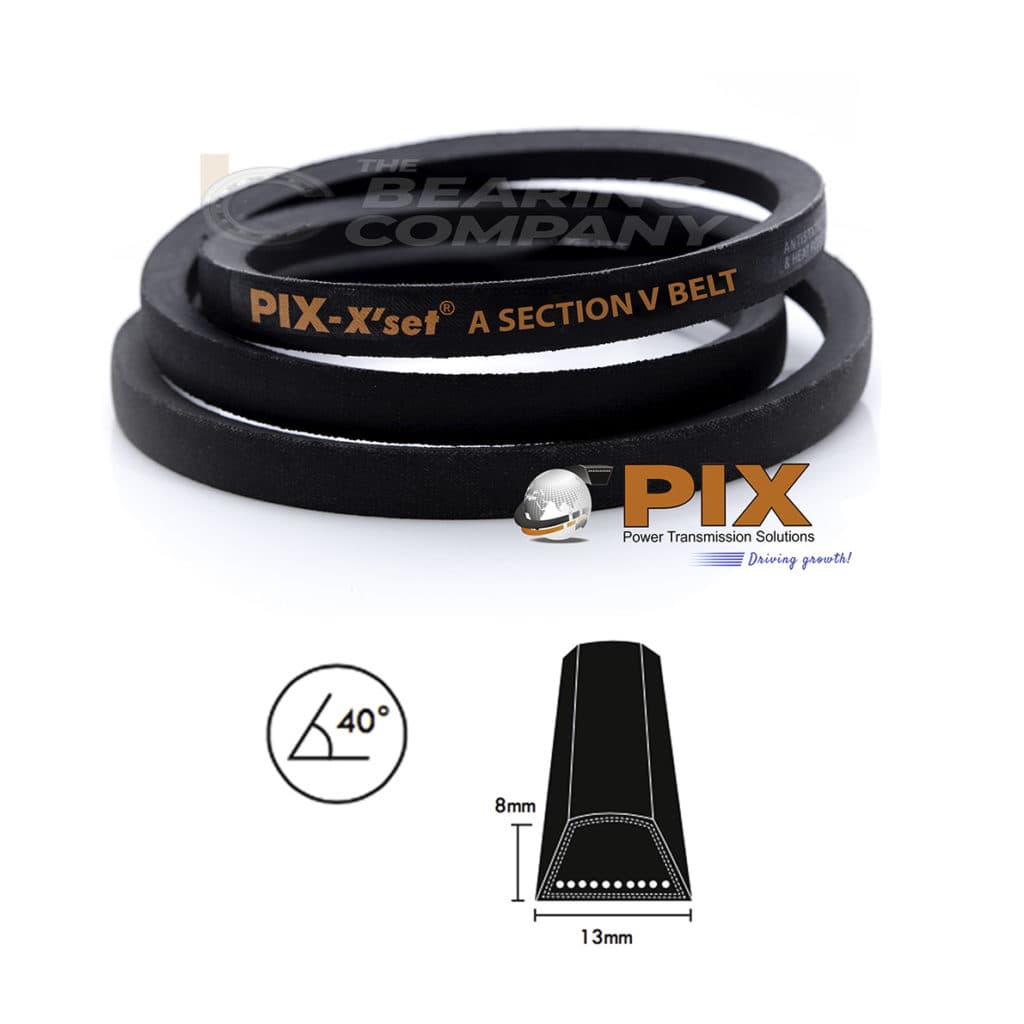
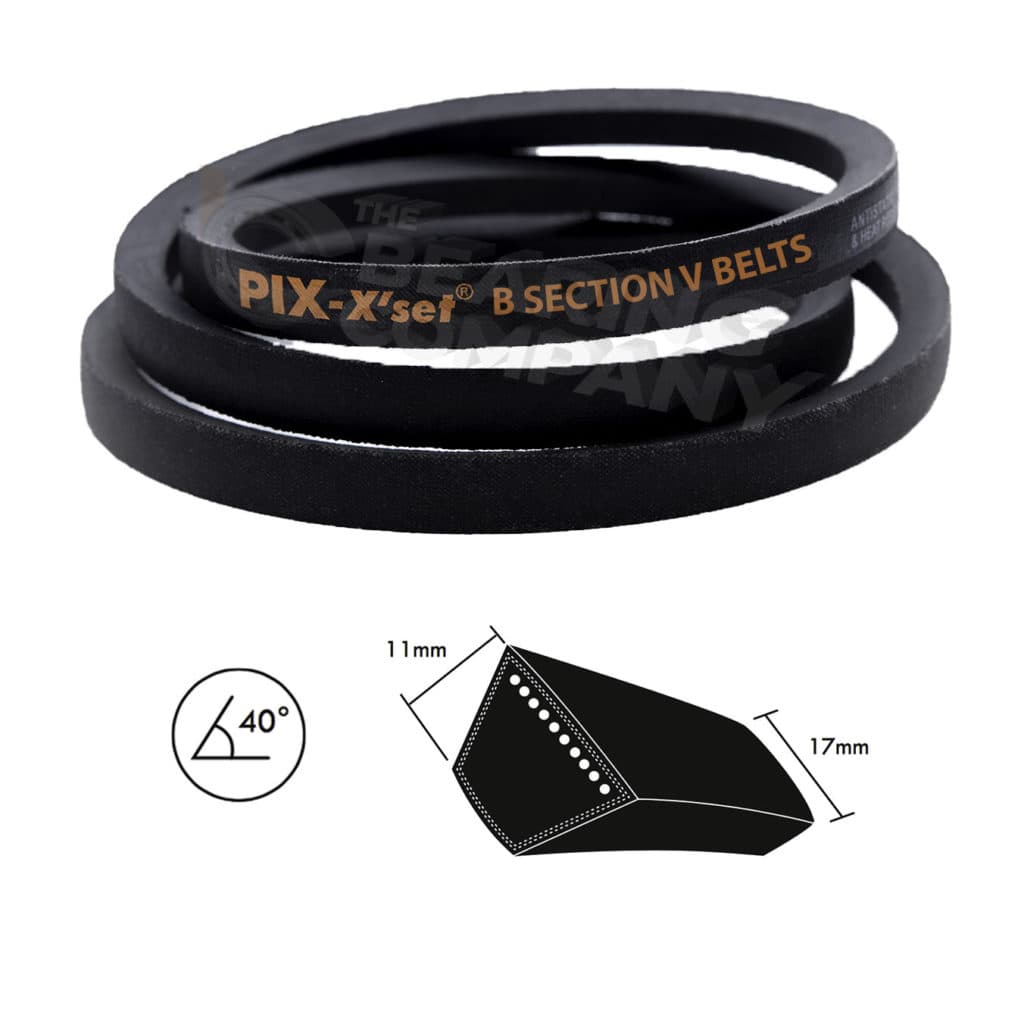
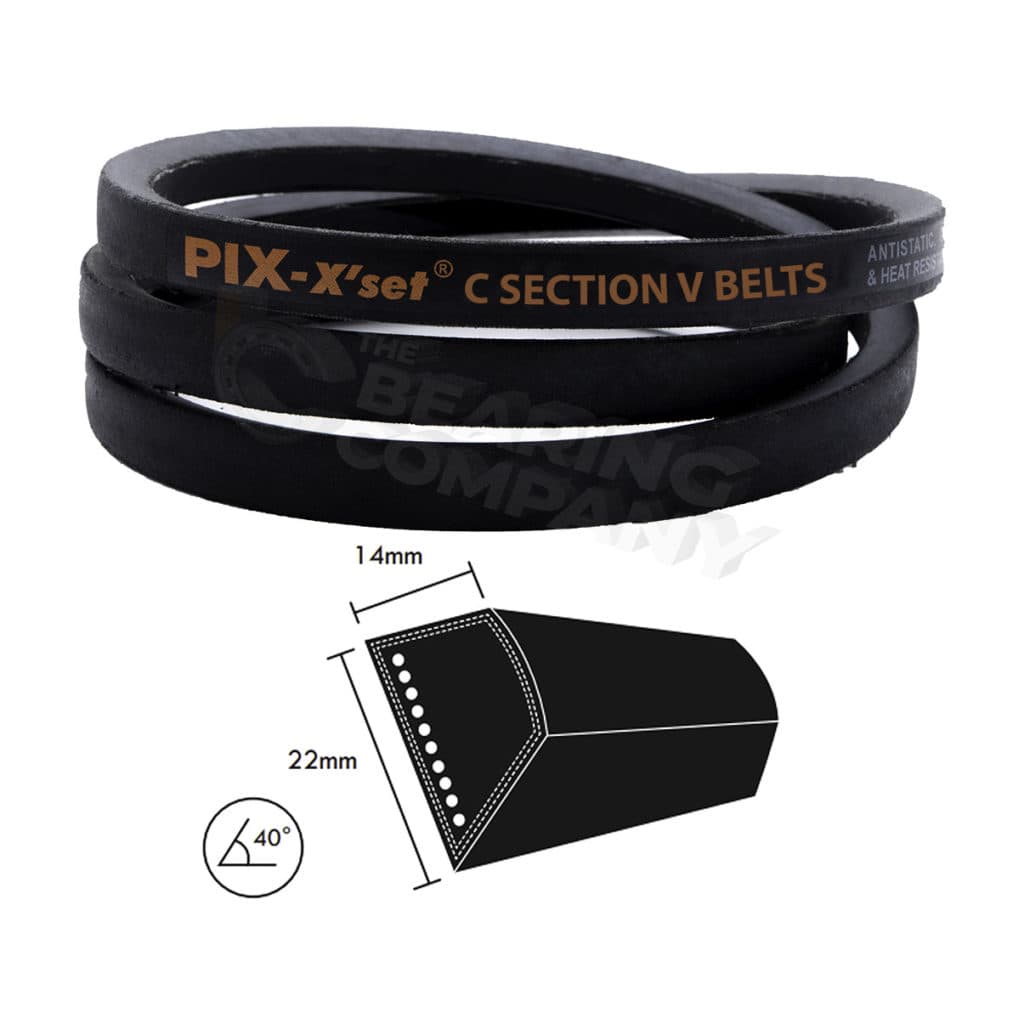
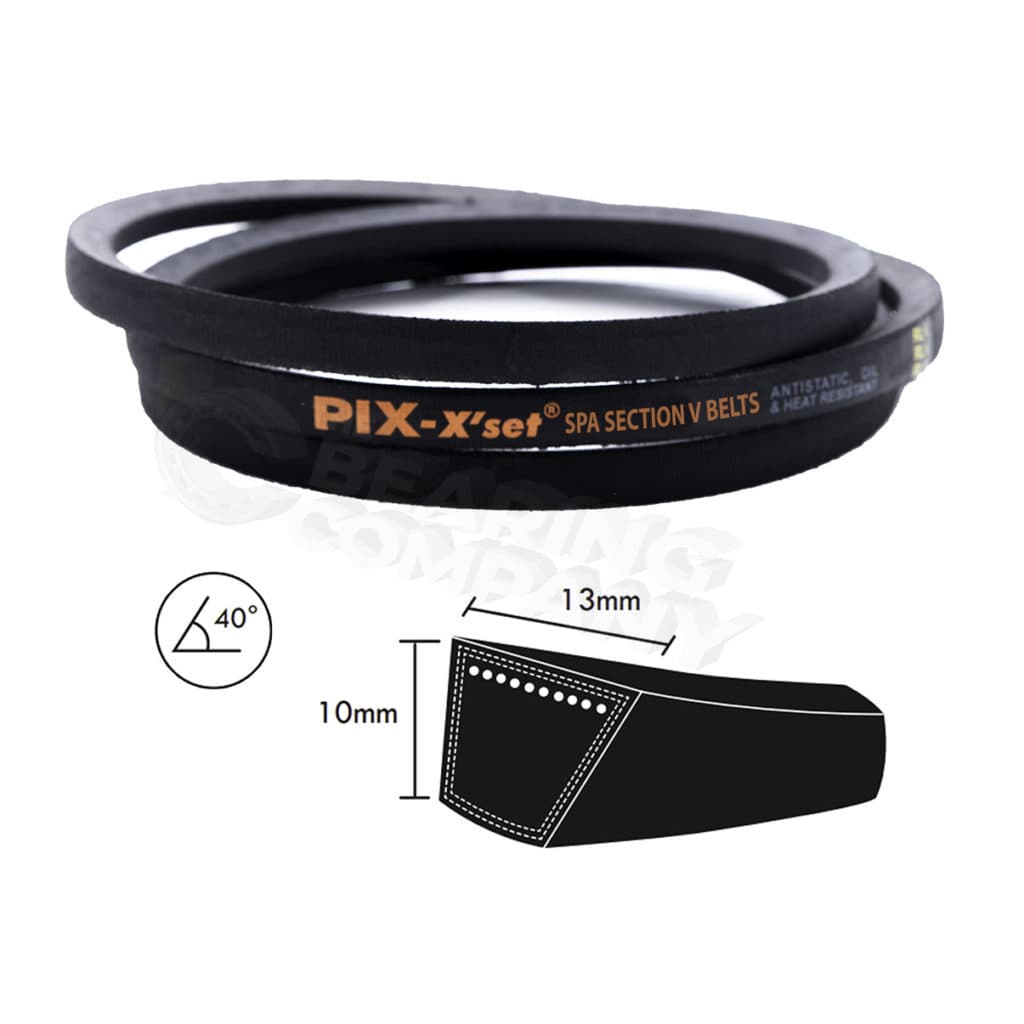
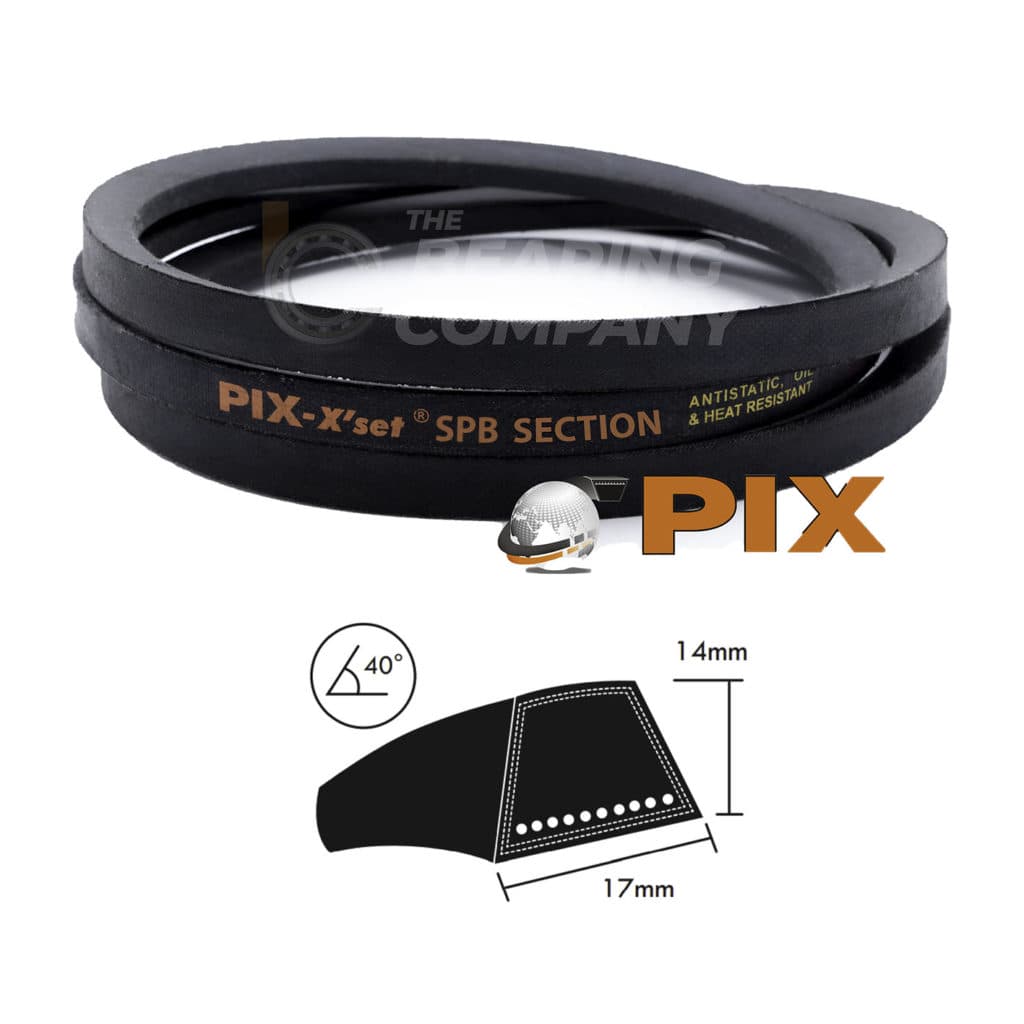
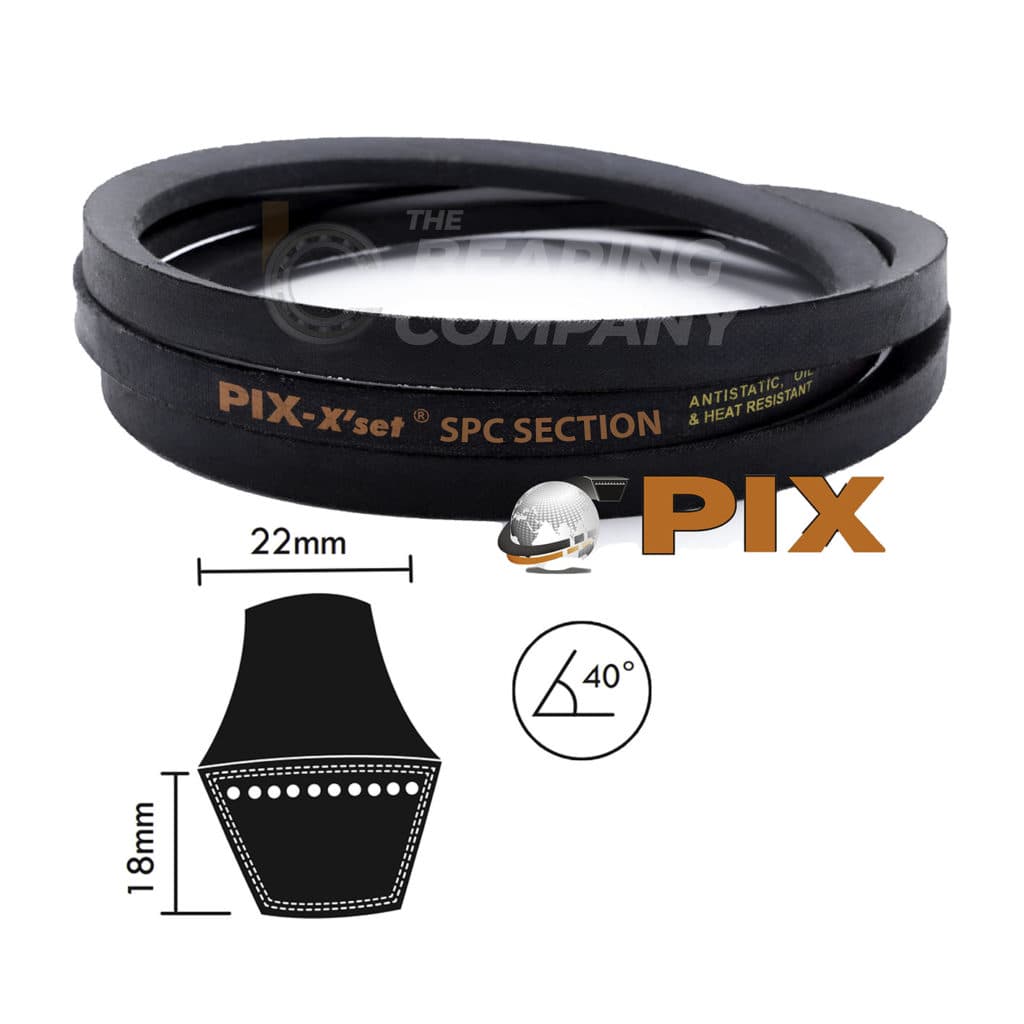
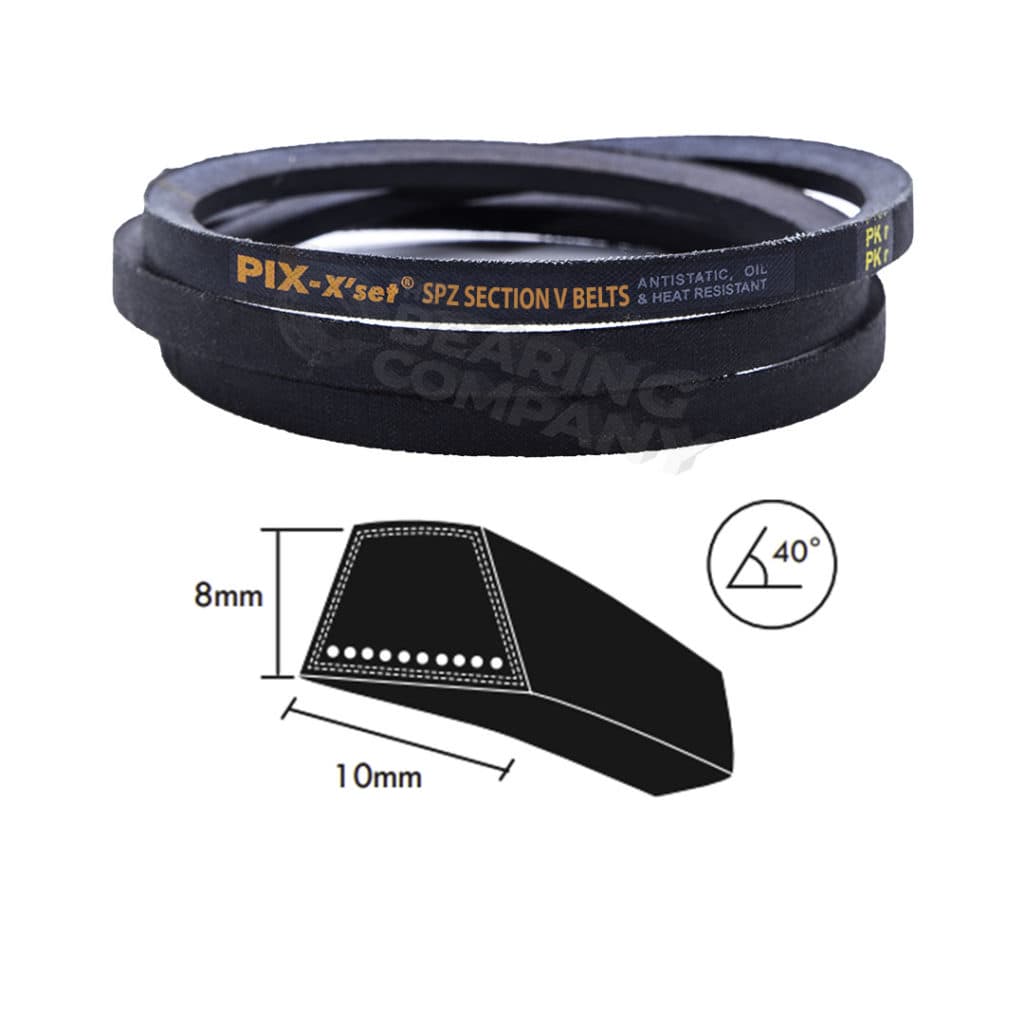

EXPLORE OUR COLLECTION OF V & WEDGE BELTS
Vee and wedge belts are commonly used in both industrial applications and automotive repairs. Their name comes from the shape they form – when the belts intersect with the pulleys, they create V or wedge profiles. These belts are a popular choice because they are a cost-effective, quiet, and efficient method of power transmission.
Explore our full range including A, B, C, SPA, SPB, SPC, SPZ and Z section options – all designed for excellent quality and durability.
APPLICATIONS OF WEDGE & V BELTS
Wedge and vee belts are used for a range of applications, including:
· Fans
· Compressors
· Manufacturing applications
· Power tools
· Air conditioning
· Industrial applications
· Lawn mowers
WHY CHOOSE THE BEARING COMPANY FOR WEDGE & V BELTS
The Bearing Company has been supplying customers with high-quality belts and bearings for decades. We pride ourselves on offering fast, reliable shipping and competitive pricing across our range. As an ISO 9001 certified company, we are committed to the highest standards of quality in all our products.
Alongside our vee and wedge belts, you can also find a variety of other premium belts including timing belts, ribbed belts, lawn mower belts, automotive belts and more.
FAQs
Wedge and vee belts are very similar in design, but their main difference is their profile shape. Vee belts have a traditional v-shaped profile with tapered sides, while wedge belts feature a deeper, wedge-shaped design.
This allows wedge belts to handle higher loads and transmit more power than a vee belt of the same width, making them better suited to industrial applications. Whereas vee belts are typically used in lighter load applications.
All vee belts should be measured across both the depth and the top (thickest) section. To ensure an accurate measurement, measure the belt at the widest point, then measure from the widest point down to the narrowest section.
There are several signs that your vee belt needs replacing, including visible cracks or wear, unusual noises, loss of tension, increased vibration or noticeable belt misalignment.