
 Free Tracked Shipping on all Orders Over £50
  Premium & Budget Product Ranges
 Bespoke solutions
  ISO 9001: 2015 certified
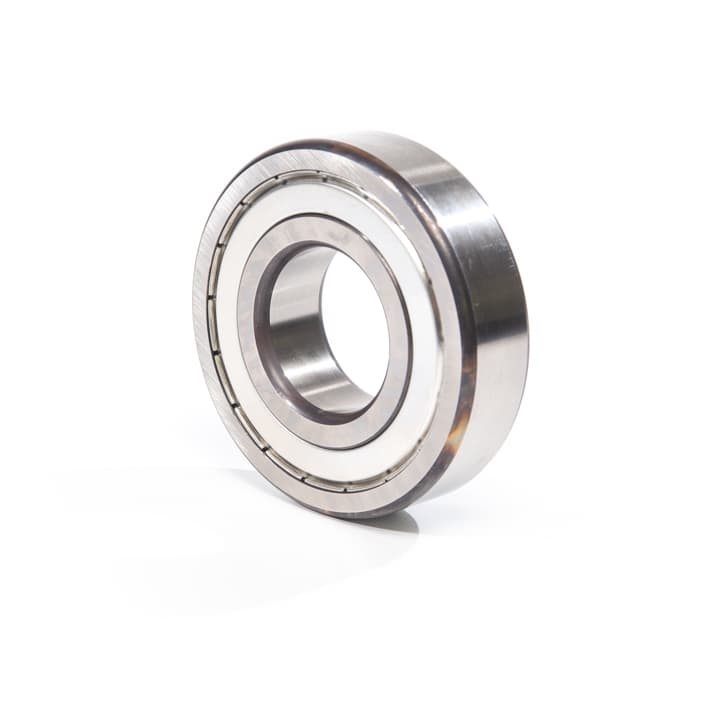
Knowing how to measure a bearing isn’t as straightforward as you might think. There are different points of measurements that are important for different items. Knowing the best way to measure a bearing, what measurements you need to take for different needs and how to prevent falling into some common mistakes is crucial to getting the right part.
This blog post will go into further detail on how to measure the size of a bearing.
WHEN DO YOU NEED TO MEASURE A BEARING?
The simplest case scenario when coming to get a replacement bearing is to check the serial/reference number on the bearing itself, which typically contains information on measurements, like on the tyre of a car.
But what if it has become illegible over time? Or just doesn’t have one? That’s when you need to know how to measure a bearing. Even if the reference numbers are still present, it is a smart and safe choice to measure the bearing for yourself.
WHAT MEASUREMENT DO YOU NEED TO REPLACE A BEARING?
There are three key dimensions you need to measure when determining the size of a bearing. These are the inner diameter (ID), outer diameter (OD) and the width (W). It is these three measurements that you need to ensure the replacement bearing will fit correctly within both the housing and the shaft. You should also take note of the type of bearing and the material it’s made of.

HOW TO MEASURE A BEARING
Knowing how to accurately measure a bearing is essential practice for selecting the right replacement. This can be done with either a set of vernier callipers, a ruler or another measuring device. It is recommended to use the verniers, however, as they are far better at giving more precise measurements in smaller areas.
STEP 1: MEASURE THE BORE
The bore is the inner diameter of the bearing. Ensure that the inside jaws of the vernier calliper are centred in the bore to avoid any potential inaccuracies. Then, while checking they are in place, touching the edge of the hole in the middle of the bearing, take the reading that is showing in whatever measurement you need.
STEP 2: MEASURE THE OUTSIDE DIAMETER
Next, measure the OD of the bearing. Use the outside jaws of your vernier calliper to get the correct measurement across the outer surface. Be sure to take the reading at the widest point and check that the calliper is securely perpendicular to the bearing to prevent distortion. This measurement ensures the bearing will fit properly in its housing.
STEP 3: MEASURE THE WIDTH
Finally, measure the width of the bearing. This is the distance between the two rings. Use the jaws of the vernier calliper to measure from one side of the bearing to the other, across its face. Ensure the bearing is seated flat against the calliper for an accurate width measurement. This helps to confirm the bearing’s size accurately and thus the compatibility with your equipment.

SHOULD YOU MEASURE A BEARING IN INCHES OR MILLIMETRES?
When measuring a bearing, the unit of measurement depends on the standard used by the manufacturer. Bearings are typically measured in millimetres in most of the world, particularly in Europe and Asia, while inches are common in the United States. It’s important to know the region or specification for the bearing you’re working with. If working on a bearing that is older than when countries adopted the metric system of millimetres, you will need to account for that too.
CHOOSING THE RIGHT BEARING FOR YOUR APPLICATION
Knowing how to measure a bearing is a critical aspect of choosing the right bearing for your application. There are more aspects to this, though, like the speed needed, the load type, which axes it will move on, space constraints and what the surrounding environment is like.
Consider the bearing’s need and capacity to handle radial or axial loads and movements. High-speed applications will likely need a bearing that creates less friction, while heavy-load applications may need more friction and better durability.
To be sure that you’re selecting the right bearing for the job, reach out to one of our experts here at The Bearing Company. Whether you need ball bearings, housed bearings, bearing inserts, linear ball bearings, spherical roller bearings, thrust bearings or more, we have the perfect solution for you.

SHOP BEARINGS AT THE BEARING COMPANY
To browse a wide selection of high-quality bearings, The Bearing Company is your one-stop-shop. Our team can listen to your requirements, give you pointers on how to measure a bearing and advise you on the perfect bearing for your application. With a focus on durability and precision, you can trust that all of our products will meet your needs and last for years to come. Shop now for the best bearings at unbeatable prices and speedy delivery.